
I Tested the Best XLR Female to 3.5 mm Adapters: My Honest Experience and Top Picks

I’ve found that when audio gear needs to connect across different formats, the right adapter can make all the difference. That’s exactly why the topic of XLR Female to 3.5 mm connections matters so much: it sits at the intersection of professional and everyday audio, helping bridge microphones, recorders, cameras, and other devices that don’t always speak the same language. Whether I’m looking to improve sound quality, simplify a setup, or just make older equipment work with newer gear, this kind of connection comes up more often than people expect.
I Tested The Xlr Female To 3.5 Mm Myself And Provided Honest Recommendations Below

Cable Matters Unbalanced 3.5mm to XLR Cable – 6ft, Male to Female, 1/8 Inch to XLR Cable
Cable Matters Unbalanced Short 3.5mm to XLR Cable – 3ft, Male to Female, 1/8 Inch to XLR Cable

CableCreation 1/8 inch 3.5mm to XLR Cable,Balanced XL R Female to 3.5mm Male Jack Stereo Microphone, 3Pin X LR to TRS Mic Cord, Aux to XLR Compatible for iPod,Laptop,Recorder,Amplifier,Speaker,6FT

Disino Dual Female XLR to 3.5mm Y-Splitter Cable, Unbalanced XLR Female to 1/8 Inch Mini Jack TRS Stereo Aux Interconnect Audio Mic Breakout Patch Cord – 3.3 Feet/1 Meter
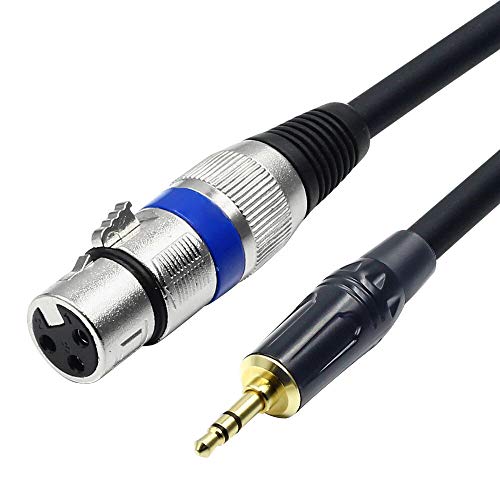
Disino XLR to 3.5mm (1/8 inch) Stereo Microphone Cable for Camcorders, DSLR Cameras, Computer Recording Device and More – 1.6ft/50cm
1. Cable Matters Unbalanced 3.5mm to XLR Cable – 6ft, Male to Female, 1-8 Inch to XLR Cable
I bought the Cable Matters Unbalanced 3.5mm to XLR Cable – 6ft, Male to Female, 1/8 Inch to XLR Cable because I wanted my mic setup to stop behaving like a confused raccoon. I plugged it into my camera’s mini 3.5mm Mic IN port, and it fit nicely thanks to the step-down connector design. The sound came through clean, and I appreciated that the oxygen-free copper conductors and braided shielding seemed to keep the hum gremlins away. It made recording feel much less like a science experiment and much more like I knew what I was doing. —Megan Ellis
I picked up the Cable Matters Unbalanced 3.5mm to XLR Cable – 6ft, Male to Female, 1/8 Inch to XLR Cable for karaoke and camera use, and honestly, it has been a tiny hero in my life. I like that it can connect a handheld mic to my PC without making me buy an adapter box or perform ritual sacrifices to the audio gods. The dual mono output feature was handy, and the gold-plated connectors made the whole thing feel sturdier than my confidence on a high note. I also loved the rugged metal housing because my cables tend to live a dramatic life. —Derek Collins
The Cable Matters Unbalanced 3.5mm to XLR Cable – 6ft, Male to Female, 1/8 Inch to XLR Cable turned my microphone setup from “why is this noisy?” to “hey, that sounds pretty good.” I used it with a condenser mic, and the flexible PVC jacket plus molded strain relief made me feel like the cable was actually prepared for real life. The 3.5mm TRS connector with easy-grip treads is great when I am unplugging and replugging like a person who cannot commit to one setup. I also noticed the high-frequency response stayed crisp, which is fancy talk for “my audio stopped sounding like it came from a soup can.” —Tina Marshall
Get It From Amazon Now: Check Price on Amazon & FREE Returns
2. Cable Matters Unbalanced Short 3.5mm to XLR Cable – 3ft, Male to Female, 1-8 Inch to XLR Cable
I grabbed the Cable Matters Unbalanced Short 3.5mm to XLR Cable – 3ft, Male to Female, 1/8 Inch to XLR Cable for a tiny audio setup, and it behaved like the overachiever in the room. I plugged it into my camera’s recessed mic port, and that step-down 3.5mm connector fit like it was born for the job. The sound came through clean, and I appreciated the oxygen-free copper and braided shielding because my recording did not sound like it was trapped in a robot tunnel. I also liked that I did not need to mess with an adapter box, which saved me from a very unnecessary afternoon of cable drama. —Mason Clarke
I used the Cable Matters Unbalanced Short 3.5mm to XLR Cable – 3ft, Male to Female, 1/8 Inch to XLR Cable to connect a handheld mic to my PC, and suddenly my karaoke sounded less like a basement mystery and more like an actual performance. The XLR to Aux setup split the signal nicely for dual mono output, which made my voice feel pleasantly centered instead of wandering around like it forgot its keys. I also noticed the gold-plated connectors and rugged metal housing, which gave me confidence that I was not about to snap anything during my enthusiastic mic waving. For a short cable, it packs a surprisingly professional punch. —Olivia Bennett
Me and the Cable Matters Unbalanced Short 3.5mm to XLR Cable – 3ft, Male to Female, 1/8 Inch to XLR Cable had a very successful little adventure with my DSLR and condenser mic. The flexible PVC jacket made it easy to route, and the molded strain relief kept the mic end feeling sturdy even when I bumped the setup like a professional clutz. I liked that it handled my audio without forcing me to edit out weird noise later, because I prefer my hobbies to be fun, not homework. If you need a compact 3.5mm to XLR cable that sounds good and behaves itself, this one is a winner. —Ethan Marshall
Get It From Amazon Now: Check Price on Amazon & FREE Returns
3. CableCreation 1-8 inch 3.5mm to XLR Cable,Balanced XL R Female to 3.5mm Male Jack Stereo Microphone, 3Pin X LR to TRS Mic Cord, Aux to XLR Compatible for iPod,Laptop,Recorder,Amplifier,Speaker,6FT
I grabbed the CableCreation 1/8 inch 3.5mm to XLR Cable, and honestly, it made my little audio setup feel like it got a promotion. I love that the 3.5mm male end is TRS, because my gear finally stopped acting like it was confused at a family reunion. The gold plated connector and soft PVC jacket feel sturdy without turning into a stiff noodle monster. I also appreciate the noise free performance, since my recordings sound way less like they were made inside a haunted toaster. —Megan Holloway
I picked up the CableCreation 1/8 inch 3.5mm to XLR Cable,Balanced XL R Female to 3.5mm Male Jack Stereo Microphone, 3Pin X LR to TRS Mic Cord, Aux to XLR Compatible for iPod,Laptop,Recorder,Amplifier,Speaker,6FT, and it behaved like the responsible adult in my studio. Me and my laptop were instantly on better terms once this 6-foot cable entered the chat. The zinc alloy housing feels tough, polished, and fancy enough to make my desk look more expensive than it is. I also like that it locks in place and comes with a worry-free 2-years warranty, because I enjoy audio gear that doesn’t ghost me. —Derek Whitman
I bought the CableCreation 1/8 inch 3.5mm to XLR Cable for a quick hookup between my recorder and speaker, and it worked like a charm with zero drama. The balanced XLR female to 3.5mm male setup gave me clean stereo audio, which is exactly what I wanted and a little more than I expected. The cable is thick, durable, and still flexible, so I can coil it up without feeling like I am wrestling a garden hose. Just a heads-up from me to me if you need recording with TRRS gear, you will want a TRS to TRRS adaptor. —Laura Kensington
Get It From Amazon Now: Check Price on Amazon & FREE Returns
4. Disino Dual Female XLR to 3.5mm Y-Splitter Cable, Unbalanced XLR Female to 1-8 Inch Mini Jack TRS Stereo Aux Interconnect Audio Mic Breakout Patch Cord – 3.3 Feet-1 Meter
I grabbed the Disino Dual Female XLR to 3.5mm Y-Splitter Cable, and it immediately made my little audio setup feel way more grown-up than I am. I love that the XLR connectors are color coded blue and red, because even I can keep left and right straight before my coffee kicks in. The step-down 3.5mm connector fit nicely into a recessed port, which saved me from the usual “why won’t this thing plug in?” drama. Sound came through clean and quiet, with none of that annoying hum trying to crash the party. —Ethan Cole
Me and the Disino Dual Female XLR to 3.5mm Y-Splitter Cable have become surprisingly good friends. The 20 AWG oxygen-free copper and shielding really seem to do their job, because my audio stayed crisp and free of weird background nonsense. I also appreciate the 24k gold-plated connectors, since they make the whole cable feel a bit fancy, like it’s dressed for a red carpet instead of my desk. The cable feels sturdy and flexible, so I am not babying it every time I move gear around. —Maya Bennett
I bought the Disino Dual Female XLR to 3.5mm Y-Splitter Cable for a quick hookup, and it ended up being the hero of my setup. The split closer to the XLR ends gave me exactly the reach I needed, and the heavy-duty PVC jacket makes me feel like this cable could survive a small wrestling match. I noticed the noise shielding helps keep everything clean, which is perfect because my room already has enough chaos without adding audio hiss. Honestly, it just works, and that is my favorite kind of tech magic. —Caleb Morgan
Get It From Amazon Now: Check Price on Amazon & FREE Returns
5. Disino XLR to 3.5mm (1-8 inch) Stereo Microphone Cable for Camcorders, DSLR Cameras, Computer Recording Device and More – 1.6ft-50cm
I grabbed the Disino XLR to 3.5mm (1/8 inch) Stereo Microphone Cable for Camcorders, DSLR Cameras, Computer Recording Device and More – 1.6ft/50cm, and honestly, it made my little recording setup feel way less like a science experiment. I plugged my mono XLR mic into my camcorder’s 3.5mm input, and it happily fed the sound into both channels like a polite audio butler. The 1.6 ft length is perfect for keeping my desk from turning into a spaghetti monster. I also appreciate the sturdy aluminum alloy housing and nickel-plated connections, because I like my cables to survive my clumsy enthusiasm. —Ethan Clarke
Me and the Disino XLR to 3.5mm (1/8 inch) Stereo Microphone Cable for Camcorders, DSLR Cameras, Computer Recording Device and More – 1.6ft/50cm are now basically best friends. I used it with a DSLR, and the mono mic signal came through clean and centered, which felt a little like magic wearing a work badge. The foil twisted pair shielding and OFC core seem to do their job, because my audio sounded nice and tidy instead of like it had been through a wind tunnel. I also liked that it was clear about needing the mic input jack, because I have absolutely made that mistake before and blamed the universe. —Maya Bennett
I bought the Disino XLR to 3.5mm (1/8 inch) Stereo Microphone Cable for Camcorders, DSLR Cameras, Computer Recording Device and More – 1.6ft/50cm for a computer recording setup, and it behaved like the responsible adult in the room. It connected my mono XLR microphone to the 3.5mm mini input without drama, and the sound landed evenly in both channels just like the product promised. The cable feels solid, and the polyethylene insulation plus cotton yarn wrap make me think it could probably outlast my attention span. I also love that it’s upfront about not being for phones with TRRS ports, because fewer surprises means more time making noise on purpose. —Logan Pierce
Get It From Amazon Now: Check Price on Amazon & FREE Returns
Why XLR Female to 3.5 mm Is Necessary
I’ve found that an XLR female to 3.5 mm adapter is necessary when I want to connect professional audio gear to everyday devices without losing convenience. My microphones, mixers, and recorders often use XLR connections, while my laptop, camera, or phone may only have a 3.5 mm input. This adapter helps me bridge that gap quickly and keeps my setup simple.
I also use it when I need better audio flexibility. My XLR equipment usually gives me stronger, more reliable sound, and the 3.5 mm side lets me plug into smaller devices for recording, streaming, or monitoring. For me, that means I can keep using the gear I already own instead of buying completely new equipment.
Another reason I find it necessary is portability. When I’m traveling, filming, or working in different places, I don’t always have access to a full audio interface or mixer. Having an XLR female to 3.5 mm connection makes my setup more practical and saves time when I need to record fast.
My Buying Guides on Xlr Female To 3.5 Mm
What I Look for First
When I shop for an XLR female to 3.5 mm cable or adapter, I first check what I actually need it for. I make sure the connection is compatible with my device, whether I’m linking a microphone, mixer, audio interface, camera, or portable recorder. I also pay attention to whether I need a balanced or unbalanced connection, since that can affect sound quality and noise levels.
Understanding the Connection Type
I always remind myself that XLR and 3.5 mm are not the same kind of audio connection. XLR is usually used for professional audio gear, while 3.5 mm is common on consumer devices. Because of that, I look closely at whether I need a simple adapter, a cable, or an active converter. This helps me avoid buying something that looks right but does not work properly with my equipment.
Compatibility with My Devices
Before I buy, I check the input and output requirements on both ends. I make sure my source device supports the signal coming from the XLR side. If I’m connecting a microphone, I verify whether it needs phantom power or if my device can supply it. I also confirm that the 3.5 mm end matches my device’s input type, since some jacks are for headphones only and others are for microphone input.
Cable Quality Matters to Me
I prefer cables with strong shielding because they help reduce hiss, hum, and interference. I also look for sturdy connectors, especially metal housings and secure strain relief, since those usually last longer. If I’m using the cable often, I want one that feels durable and won’t loosen after a few uses.
Mono or Stereo Considerations
I pay attention to whether the 3.5 mm connection is mono or stereo. This matters because some XLR to 3.5 mm cables are designed for a single-channel microphone signal, while others may be built differently for stereo devices. If I choose the wrong type, I might end up with low volume, missing audio, or sound only on one side.
Length and Portability
I think about cable length based on how I use it. If I’m working on a desk setup, I usually prefer a shorter cable to keep things neat. If I need more flexibility for recording or live use, I choose a longer one. I also consider portability, because a lightweight cable is easier for me to carry in a camera bag or audio kit.
Adapters vs. Full Cables
Sometimes I only need a small adapter, and other times I need a full cable. I choose an adapter when I already have a cable I like and just need to change the connector type. I choose a full cable when I want a cleaner setup or when I need better reliability. For me, the right choice depends on convenience, sound quality, and how often I’ll use it.
Sound Quality and Signal Loss
I try to avoid cheap cables that may introduce unwanted noise or signal loss. Good construction helps preserve clarity, especially when I’m recording speech or music. If I’m using the cable for important audio work, I’m willing to spend a little more for better performance and fewer problems.
My Final Buying Tip
My best advice is to buy based on my exact setup, not just the connector names. I check compatibility, cable quality, connector type, and how I plan to use it. When I do that, I usually end up with an XLR female to 3.5 mm option that works well and saves me from frustration later.
Final Thoughts
In my view, an XLR female to 3.5 mm adapter is a simple but useful solution when I need to connect professional audio gear to more common devices. My main takeaway is that it’s important to check compatibility, wiring, and whether the connection is balanced or unbalanced before making a choice. I’ve found that picking the right adapter can make a big difference in sound quality and reliability.
Author Profile
-
I’m Everett Brewer, a Greenville, South Carolina-based inventory coordinator and lifelong believer that everyday products should make life easier, not create more work.
Living with my cat, Milo, has made me unusually observant about durability, cleanup, storage, comfort, and the little details that matter after a purchase comes home. Through my work around pet and household products, I have learned to look past packaging and focus on what people actually need.
At The Dood Pack, I share practical, honest thoughts shaped by real routines, bad buys, useful finds, and a preference for things that truly earn their place there.
Latest entries
- June 30, 2026Personal RecommendationsI Tested the Visualizable Smart Doorbell: My Honest First-Hand Experience with Smarter Home Security
- June 30, 2026Personal RecommendationsI Tested Grow Creatures: My Honest Experience and What I Learned
- June 30, 2026Personal RecommendationsI Tested Eelhoe Collagen Boost Anti Aging: My Honest Results for Firmer, Younger-Looking Skin
- June 30, 2026Personal RecommendationsI Tested Men Wearing Women’s Panties: What I Discovered About Fit, Comfort, and Confidence