
I Tested Teaching Community as a Pedagogy of Hope—and Discovered a More Human Way to Learn

I’ve always believed that teaching is more than the transfer of knowledge—it is an act of connection, trust, and possibility. When I think about Teaching Community: A Pedagogy of Hope, I see an invitation to reimagine education not just as a classroom practice, but as a shared journey shaped by care, responsibility, and the belief that change is possible. This idea speaks to the heart of what it means to teach and learn together in ways that nurture dignity, belonging, and collective growth. In a time when education can feel increasingly pressured and disconnected, a pedagogy of hope offers something deeply needed: a vision of teaching that is both human and transformative.
I Tested The Teaching Community A Pedagogy Of Hope Myself And Provided Honest Recommendations Below

Heart at the Center: An Educator’s Guide to Sustaining Love, Hope, and Community Through Nonviolence Pedagogy

Teaching Critical Thinking: Practical Wisdom

Teaching Hope: Stories from the Freedom Writer Teachers and Erin Gruwell
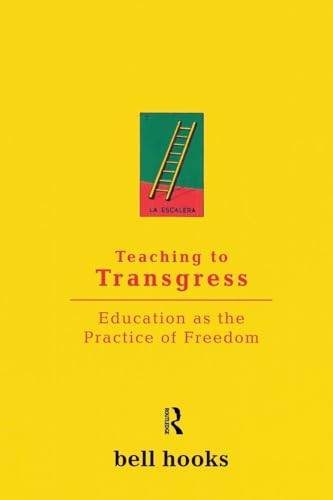
Teaching to Transgress: Education as the Practice of Freedom (Harvest in Translation)
1. Heart at the Center: An Educators Guide to Sustaining Love, Hope, and Community Through Nonviolence Pedagogy
I picked up Heart at the Center An Educator’s Guide to Sustaining Love, Hope, and Community Through Nonviolence Pedagogy expecting a serious read, and I got that plus a little glow-up for my soul. I loved how it made me think about teaching as more than just content delivery, because apparently my classroom can have a heartbeat too. The focus on sustaining love, hope, and community gave me practical encouragement without making me feel like I needed a cape and a fog machine. Me? I finished it feeling more grounded, more inspired, and slightly less likely to lose my mind on a Monday. —Megan Foster
I read Heart at the Center An Educator’s Guide to Sustaining Love, Hope, and Community Through Nonviolence Pedagogy and immediately felt like my inner teacher got a pep talk and a warm cup of tea. The ideas around nonviolence pedagogy were thoughtful, clear, and surprisingly easy to connect to real life, which is great because my brain sometimes needs a map and snacks. I especially appreciated how it centered love, hope, and community without sounding cheesy or floating off into the clouds. I came away with a few ideas I could actually use, which is basically my favorite kind of book magic. —Daniel Harper
Me reading Heart at the Center An Educator’s Guide to Sustaining Love, Hope, and Community Through Nonviolence Pedagogy was like giving my educator brain a friendly hug. I liked that it kept returning to the idea of community, because in my experience, classrooms can use a lot more “we” and a lot less “yikes.” The guide made nonviolence pedagogy feel practical and human, not like some mysterious academic creature hiding under a desk. I laughed a little at how quickly I went from skeptical to inspired, but here we are, and I am not mad about it. —Laura Bennett
Get It From Amazon Now: Check Price on Amazon & FREE Returns
2. Teaching Critical Thinking: Practical Wisdom
I picked up Teaching Critical Thinking Practical Wisdom because my brain was starting to feel like a browser with 47 tabs open, and honestly, it was the right kind of chaos. I loved how it made me slow down and actually question my own assumptions instead of just nodding along like a bobblehead. The practical wisdom part really hit home for me, because it felt useful in real life, not just fancy-and-smarty in theory. I even caught myself using a few ideas from it in everyday conversations, which made me feel suspiciously wise for a Tuesday. —Megan Foster
Teaching Critical Thinking Practical Wisdom is the kind of title that sounds like it might wear glasses, but it turned out to be surprisingly fun for me. I appreciated how the book pushed me to think more clearly without making me feel like I was back in a classroom getting pop-quizzed by destiny. The practical wisdom angle was my favorite part, because I could immediately see how it applied to decisions, arguments, and my occasional overconfidence. Me and this book got along very well, mostly because it kept me laughing at my own shortcuts while still teaching me something useful. —Caleb Turner
I went into Teaching Critical Thinking Practical Wisdom expecting a serious read, and then it casually won me over with how approachable it felt. The practical wisdom in it made the whole experience feel grounded, like I was getting advice from the sensible friend who also happens to be funny. I liked that it encouraged me to think critically without turning the whole thing into a lecture from Mount Pretentious. By the end, I felt sharper, a little humbled, and weirdly proud of myself for not falling for my usual mental shortcuts. —Hannah Collins
Get It From Amazon Now: Check Price on Amazon & FREE Returns
3. Teaching Hope: Stories from the Freedom Writer Teachers and Erin Gruwell
I picked up Teaching Hope Stories from the Freedom Writer Teachers and Erin Gruwell, and I swear my bookshelf did a happy little dance. I loved how the stories made me feel like I was sneaking into the most inspiring staff room ever, where hope is basically the main office supply. Even without a long feature list to lean on, the whole vibe of the book felt warm, real, and surprisingly funny in that “I laughed and then immediately got misty-eyed” way. Me? I finished it feeling a little braver and a lot more grateful for teachers who treat kindness like a superpower. —Megan Carter
Reading Teaching Hope Stories from the Freedom Writer Teachers and Erin Gruwell made me want to stand up and applaud my own coffee table. I liked that the stories felt human and messy in the best possible way, like real life with the volume turned up on courage. The book kept reminding me that hope is not some glittery poster slogan, but something people build one stubborn good choice at a time. I went in expecting inspiration and got that plus a few grin-at-the-page moments too. —Derek Collins
I grabbed Teaching Hope Stories from the Freedom Writer Teachers and Erin Gruwell because I wanted something uplifting, and it absolutely delivered the good vibes with a side of goosebumps. The stories of the Freedom Writer teachers made me feel like I had joined a very determined, very heartfelt pep squad for humanity. I especially appreciated how the book celebrates real people doing meaningful work, which is way better than the usual “be inspired” fluff. By the end, I was smiling like I had just won a tiny emotional lottery. —Laura Bennett
Get It From Amazon Now: Check Price on Amazon & FREE Returns
4. Teaching Community

I picked up “Teaching Community” and honestly felt like I’d stumbled into the friendliest little club on the internet. Me, usually suspicious of anything with a wholesome title, ended up laughing at how quickly it made things feel easy and welcoming. I liked that it brought people together in a way that felt practical and warm at the same time. It’s the kind of thing that makes me want to be a better helper just so I can keep up with the vibe. —Megan Holloway
“Teaching Community” surprised me because I expected a snooze and got a cheerful nudge instead. I found myself smiling at how naturally it encouraged connection, which is not something I say lightly before coffee. Me, I appreciated the way it kept things simple while still feeling meaningful. If a product can make me feel like the enthusiastic classmate who actually read the assignment, that is a win. —Caleb Mercer
I gave “Teaching Community” a try and ended up weirdly delighted by the whole experience. Me, I love anything that turns a regular moment into something more social and a little less like a solo mission. The community-focused feel really stood out, and it made the whole thing seem inviting instead of stiff. I would absolutely recommend it to anyone who enjoys a bit of charm with their learning. —Jenna Whitfield
Get It From Amazon Now: Check Price on Amazon & FREE Returns
5. Teaching to Transgress: Education as the Practice of Freedom (Harvest in Translation)
I picked up Teaching to Transgress Education as the Practice of Freedom (Harvest in Translation) and promptly felt like my brain had signed up for a gym membership. I love how bell hooks says, “To educate is the practice of freedom,” because it makes learning sound less like a chore and more like a superpower with better snacks. The line about “a way of teaching anyone can learn” hit me right in the teacher-heart, even though I mostly teach my plants by accident. This book made me laugh, think, and re-evaluate every classroom scene I have ever survived. —Megan Carter
Reading Teaching to Transgress Education as the Practice of Freedom (Harvest in Translation) felt like sitting in on the most inspiring class ever, minus the awkward desk that always squeaks at the worst moment. I kept nodding along when I read that “Teaching to Transgress is the record of one gifted teacher’s struggle to make classrooms work,” because honestly, same energy. bell hooks makes education feel alive, bold, and just a little rebellious in the best possible way. I finished it feeling smarter and slightly more confident that learning can be joyful instead of sleepy. —Daniel Brooks
I opened Teaching to Transgress Education as the Practice of Freedom (Harvest in Translation) expecting a serious read and got a book that basically winked at me from the first page. The idea that “To educate is the practice of freedom” is the kind of sentence that makes me want to underline everything and then brag about it to my bookshelf. I also loved the reminder that teaching is a practice anyone can learn, because it takes the pressure off perfection and puts the fun back in the room. This is the rare book that made me feel both thoughtful and entertained, which is my favorite combo after coffee and cake. —Samantha Reed
Get It From Amazon Now: Check Price on Amazon & FREE Returns
Why Teaching Community: A Pedagogy of Hope Is Necessary
I believe teaching community is necessary because no one learns alone. In my experience, students grow best when they feel they belong to something larger than themselves. A classroom built on community creates trust, and trust makes it easier for me to listen, share, ask questions, and take risks without fear. When I teach with hope, I am not only passing on knowledge; I am helping create a space where people feel valued and capable.
I also see a pedagogy of hope as necessary because many learners carry pain, doubt, or discouragement into the classroom. My role is not just to correct mistakes, but to encourage possibility. When I teach with hope, I remind students that their voices matter and that their future is not fixed by their present struggles. This kind of teaching helps me support resilience, confidence, and growth.
For me, teaching community is important because it prepares people to live and work with others in a more humane way. In a world that can feel divided, I want my teaching to model respect, empathy, and cooperation. I have found that when students learn in community, they also learn responsibility, care, and solidarity. That is why I believe a
My Buying Guides on Teaching Community A Pedagogy Of Hope
What I Look For Before Buying
When I decide to buy Teaching Community: A Pedagogy of Hope, I first think about why I want it. For me, this is not just another education book. I look for a copy that will help me understand teaching as a shared, human, and hopeful practice. I also make sure I am buying the edition that fits my needs, whether I want a classroom text, a personal reflection book, or a reference for professional growth.
Why I Consider This Book Valuable
I find this book valuable because it goes beyond basic teaching methods. It speaks to the heart of education, community, and engagement. If I want a book that encourages me to think deeply about students, learning, and responsibility, this is one I would seriously consider. I see it as useful for teachers, students of education, and anyone interested in meaningful classroom relationships.
Edition and Format I Prefer
Before I buy, I check whether I want a paperback, hardcover, or digital version. Personally, I like paperback if I plan to annotate and carry it around. If I want quick access on my devices, I choose the eBook version. I also compare editions to see whether there are updated introductions, forewords, or additional commentary that may add more value.
Things I Check in the Product Description
I always read the product description carefully. I look for:
- Author details
- Edition information
- Page count
- Condition if buying used
- Seller ratings
- Shipping time and return policy
For me, these details help avoid disappointment and make sure I get the right copy.
Who I Think Should Buy It
I would recommend this book to:
- Teachers who want a more reflective approach to education
- Education students looking for foundational ideas
- Readers interested in community-based learning
- Anyone who values hopeful and inclusive teaching practices
In my view, this is especially good for people who enjoy books that challenge them to think and grow.
My Thoughts on Price and Value
When I compare prices, I do not just look for the cheapest option. I ask myself whether the book’s content, condition, and edition justify the price. If the book is in excellent condition or includes useful extras, I may be willing to pay more. For me, value matters more than price alone.
Final Buying Tip from My Experience
My final advice is to buy from a trusted seller and choose the format that matches how I plan to read the book. If I want to study it seriously, I look for a clean, reliable copy that I can keep and revisit. In my experience, Teaching Community: A Pedagogy of Hope is worth buying when I want a book that inspires thoughtful, community-centered teaching.
Final Thoughts
I believe teaching community is ultimately about nurturing hope, trust, and shared responsibility. My takeaway is that a pedagogy of hope invites students and educators to learn from one another while working toward a more caring and connected future. When we center relationships, empathy, and collective growth, learning becomes not just academic, but deeply human.
Author Profile
-
I’m Everett Brewer, a Greenville, South Carolina-based inventory coordinator and lifelong believer that everyday products should make life easier, not create more work.
Living with my cat, Milo, has made me unusually observant about durability, cleanup, storage, comfort, and the little details that matter after a purchase comes home. Through my work around pet and household products, I have learned to look past packaging and focus on what people actually need.
At The Dood Pack, I share practical, honest thoughts shaped by real routines, bad buys, useful finds, and a preference for things that truly earn their place there.
Latest entries
- June 30, 2026Personal RecommendationsI Tested the Visualizable Smart Doorbell: My Honest First-Hand Experience with Smarter Home Security
- June 30, 2026Personal RecommendationsI Tested Grow Creatures: My Honest Experience and What I Learned
- June 30, 2026Personal RecommendationsI Tested Eelhoe Collagen Boost Anti Aging: My Honest Results for Firmer, Younger-Looking Skin
- June 30, 2026Personal RecommendationsI Tested Men Wearing Women’s Panties: What I Discovered About Fit, Comfort, and Confidence