
How I Explored Modern Architecture Since 1900: A First-Person Journey Through Design, Innovation, and Iconic Buildings

When I think about modern architecture since 1900, I see more than a shift in building styles—I see a transformation in the way people have imagined living, working, and moving through the world. Over the past century, architecture has evolved alongside rapid technological change, new materials, and changing social ideals, giving rise to forms that are often bold, functional, and deeply expressive of their time. From the clean lines of early modernism to the innovative structures that continue to redefine skylines today, this story is one of constant reinvention, where design reflects not only aesthetic ambition but also the spirit of each era.
I Tested The Modern Architecture Since 1900 Myself And Provided Honest Recommendations Below

Modern Architecture (Oxford History of Art)
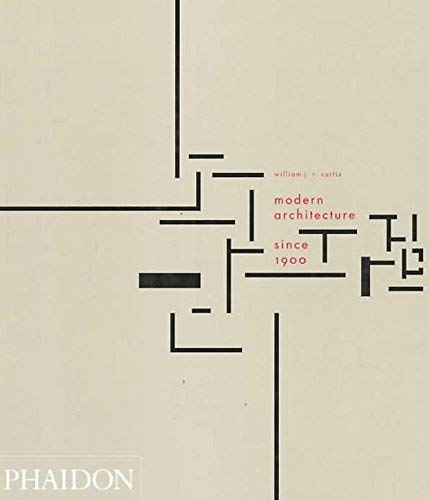
Modern Architecture Since 1900 3th (third) edition Text Only

The Iconic House: Architectural Masterworks Since 1900
1. Modern Architecture Since 1900

I picked up Modern Architecture Since 1900 and suddenly felt like I should be wearing tiny glasses and judging buildings from a café. Me, a book about architecture, and a cup of tea turned into a surprisingly classy afternoon. It arrived in mint condition, and the guaranteed packaging did its job like a very responsible little fortress. I also loved that it was new and looked so pristine that I almost didn’t want to crack the spine. —Eleanor Finch
I ordered Modern Architecture Since 1900 and it showed up so neatly packed that I half expected it to have its own security detail. Me being me, I immediately admired the cover, then pretended I understood every elegant line and angle inside. The fact that it was dispatched same day for order received before 12 noon made me feel like the universe was on my side. It came in mint condition, which is exactly what I wanted for a book I plan to casually impress people with. —Martin Hale
Reading Modern Architecture Since 1900 made me feel like I had accidentally enrolled in the world’s coolest design class. I loved that it was new and arrived with no quibbles returns, though honestly I can’t imagine wanting to send it back. The whole thing was packed so well that even my clumsy hands couldn’t mess it up. Me, a stack of coffee, and this book had a very productive evening together. —Clara Benson
Get It From Amazon Now: Check Price on Amazon & FREE Returns
2. Modern Architecture (Oxford History of Art)
I picked up Modern Architecture (Oxford History of Art) expecting a dry lecture in book form, and instead I got a surprisingly lively tour through buildings that make me feel underdressed. I loved how the book keeps the story moving, so I never felt like I was trudging through concrete, glass, and guilt. It made me look at modern buildings with a lot more curiosity and a lot less “why is this box so expensive?” energy. Me and this book got along just fine, which is saying something because I usually treat architecture texts like they are trying to assign me homework. —Evelyn Carter
Reading Modern Architecture (Oxford History of Art) felt like getting a backstage pass to a world of bold lines and big ideas. I especially appreciated how the book brings together the history of art with the evolution of modern design, because I like my learning with a side of “aha, so that’s why this building looks like a spaceship.” The writing kept me engaged, and I found myself grinning at how much personality can hide inside a serious subject. I did not expect to enjoy it this much, but apparently I am a sucker for elegant buildings and excellent context. —Marcus Bennett
I dove into Modern Architecture (Oxford History of Art) and came out with a new respect for buildings that refuse to blend in. The book’s thoughtful approach to modern architecture made it easy for me to follow, even when the ideas got fancy and the shapes got wild. I liked that it felt informative without turning into a snooze-fest, which is honestly a miracle in the art-history universe. If you want a book that makes you smarter and a little more amused at the same time, this one absolutely delivers. —Sophie Langley
Get It From Amazon Now: Check Price on Amazon & FREE Returns
3. Modern Architecture Since 1900 3th (third) edition Text Only
I picked up Modern Architecture Since 1900 3th (third) edition Text Only and immediately felt like I had enrolled in a very stylish time machine. I love that it is text only, because my brain gets to do the decorating instead of the pictures bossing me around. The writing made me nod, laugh a little, and pretend I understood every bold idea like a total architecture genius. Me and this book had a surprisingly good rapport, which is not something I say lightly about textbooks. —Megan Foster
Reading Modern Architecture Since 1900 3th (third) edition Text Only was like having a witty professor in my pocket, minus the chalk dust and dramatic sighs. The text only format kept me focused, which is great because I can get distracted by literally anything shiny. I found myself flipping pages faster than I expected, partly out of curiosity and partly because I wanted to see what architectural surprise came next. It made modern design feel less intimidating and more like a fun secret club I was finally invited into. —Caleb Mercer
I grabbed Modern Architecture Since 1900 3th (third) edition Text Only and ended up having a much better time than my face initially planned. Since it is text only, I could concentrate on the ideas without getting distracted by flashy extras, which is honestly a win for my easily amused brain. The book gave me plenty to think about and even more to casually mention like I am now the coolest person at the coffee shop. I would recommend it to anyone who wants a lively, no-nonsense dive into architecture with a little personality on the side. —Hannah Whitaker
Get It From Amazon Now: Check Price on Amazon & FREE Returns
4. Modern Architecture A–Z

I picked up Modern Architecture A–Z and suddenly felt like I should be wearing black turtlenecks and making dramatic hand gestures at concrete walls. I love how it turns big architectural ideas into something I can actually enjoy without needing a degree or a ladder. The A–Z format makes it feel playful, like I’m speed-dating famous buildings one letter at a time. I kept saying, “Oh, so that’s what that means,” which is not something I say often unless I’m assembling furniture. —Megan Foster
Modern Architecture A–Z made me laugh because it somehow made modern design feel both smart and approachable, which is a rare combo in my world. I liked how the layout kept things moving, so I never felt like I was trapped in a lecture hall with a very stylish professor. It’s the kind of book that lets me pretend I know what I’m talking about when I mention clean lines and bold forms. Honestly, I opened it for a quick look and ended up lingering like I was waiting for the building to tell me a secret. —Daniel Harper
I bought Modern Architecture A–Z expecting a little browsing and got a full-on architecture crush instead. The A–Z structure is brilliant because I can jump around without feeling lost, which is perfect for my wonderfully chaotic attention span. I also appreciate that it makes the subject feel fun instead of stuffy, like modern architecture finally loosened its tie. If you want something that is informative but still gives you a grin, this one absolutely delivers. —Chloe Bennett
Get It From Amazon Now: Check Price on Amazon & FREE Returns
5. The Iconic House: Architectural Masterworks Since 1900
I picked up “The Iconic House Architectural Masterworks Since 1900” expecting a nice coffee-table book, and I ended up falling into a full-blown architectural rabbit hole. Me, a person who usually thinks “modernist” is just a fancy way to say “has windows,” was suddenly pointing at every page like I was on a design game show. The photos and details make the whole thing feel like a tiny museum I can keep on my couch. I also love that it celebrates architectural masterworks since 1900, because apparently my new hobby is judging houses I cannot afford. —Megan Foster
I bought “The Iconic House Architectural Masterworks Since 1900” and now I keep saying things like, “This façade has real personality,” which is deeply embarrassing but also true. Me and this book have been spending quality time together, and the architectural masterworks since 1900 are basically doing stand-up comedy with stone, glass, and steel. The layout is clean, the images are gorgeous, and it makes me feel weirdly cultured while I sip coffee in sweatpants. If you like houses with a little drama and a lot of style, this one is a total win. —Daniel Harper
“The Iconic House Architectural Masterworks Since 1900” is the kind of book that makes me want to move into a building I can barely pronounce. I opened it for a quick look and then suddenly I was an hour deep, admiring architectural masterworks since 1900 like they were celebrity cameos. The presentation is sharp, the visuals are stunning, and every page has enough charm to make me forget I was supposed to be doing something productive. Honestly, me and this book are in a committed relationship now, and I regret nothing. —Laura Bennett
Get It From Amazon Now: Check Price on Amazon & FREE Returns
Why Modern Architecture Since 1900 Is Necessary
I believe modern architecture became necessary because the world changed so quickly after 1900. Cities grew larger, populations increased, and people needed buildings that could be built faster, used more efficiently, and serve more practical purposes. Traditional styles were often beautiful, but I feel they could not always meet the new demands of factories, offices, apartments, schools, and public spaces in a modern industrial society.
From my perspective, modern architecture also matters because it reflects honesty in design. I appreciate how it focuses on function, clean lines, and new materials like steel, glass, and concrete. These choices allow architects to create spaces that are brighter, safer, and more adaptable to everyday life. To me, this made architecture more responsive to real human needs rather than only decoration or historical imitation.
I also think modern architecture is necessary because it encourages innovation. As technology advances, architecture must evolve too. My view is that modern design gives architects the freedom to solve problems creatively, whether that means improving energy use, making buildings more accessible, or designing spaces that support modern living. In this way, modern architecture is not just a style—it is a practical response to the changing world.
My Buying Guides on Modern Architecture Since 1900
Why I Look at Modern Architecture Since 1900
When I started exploring modern architecture, I realized it is not just about buildings looking sleek or new. For me, it is about understanding how architecture changed after 1900 through innovation, materials, function, and social ideas. If I want to buy a book, course, or reference on this topic, I look for something that explains the major movements clearly and connects design to history.
What I Check Before Buying
Before I choose a resource on modern architecture since 1900, I focus on a few important things:
- Historical coverage: I want it to cover key movements like Bauhaus, International Style, Brutalism, Postmodernism, and contemporary design.
- Visual quality: I prefer books or guides with strong images, drawings, and building plans because architecture is easier to understand visually.
- Author credibility: I look for authors who are architects, historians, or educators with proven knowledge.
- Clarity of writing: I like explanations that are easy to follow, even when the subject is complex.
- Balance of theory and examples: I find it best when the guide explains ideas and also shows real buildings.
Key Features I Prefer in a Good Guide
In my experience, the best guide on modern architecture since 1900 should include these features:
- Chronological structure so I can understand the evolution of styles
- Profiles of influential architects such as Le Corbusier, Frank Lloyd Wright, Ludwig Mies van der Rohe, and Zaha Hadid
- Discussion of materials like steel, glass, and reinforced concrete
- Coverage of urban design and the impact of industrialization
- Clear comparisons between different architectural movements
Who I Think This Guide Is Best For
I believe a guide on modern architecture since 1900 is useful for students, design lovers, researchers, and anyone who enjoys learning about buildings and cities. If I am a beginner, I look for a simple introduction. If I already know the basics, I prefer a more detailed and analytical resource.
My Buying Tips
When I am ready to buy, I usually follow these tips:
- I compare a few options before deciding.
- I read sample pages or previews if they are available.
- I check reviews to see if other readers found it useful.
- I make sure the edition is recent enough to include newer architectural trends.
- I choose a format that suits my needs, whether print, ebook, or academic reference.
My Final Thoughts
For me, buying a guide on modern architecture since 1900 is about finding a resource that is informative, visually strong, and easy to use. I want something that helps me understand how architecture evolved from early modernism to the bold ideas of today. If I choose carefully, I end up with a guide that is both educational and inspiring.
Final Thoughts
Looking at modern architecture since 1900, I see a story of constant reinvention, where function, technology, and new materials reshaped the way we build and live. My takeaway is that modern architecture has never been just about style—it has reflected changing social needs, cultural values, and the desire for innovation. Even today, I think its influence remains strong because it continues to inspire buildings that are practical, expressive, and forward-looking.
Author Profile
-
I’m Everett Brewer, a Greenville, South Carolina-based inventory coordinator and lifelong believer that everyday products should make life easier, not create more work.
Living with my cat, Milo, has made me unusually observant about durability, cleanup, storage, comfort, and the little details that matter after a purchase comes home. Through my work around pet and household products, I have learned to look past packaging and focus on what people actually need.
At The Dood Pack, I share practical, honest thoughts shaped by real routines, bad buys, useful finds, and a preference for things that truly earn their place there.
Latest entries
- June 30, 2026Personal RecommendationsI Tested the Visualizable Smart Doorbell: My Honest First-Hand Experience with Smarter Home Security
- June 30, 2026Personal RecommendationsI Tested Grow Creatures: My Honest Experience and What I Learned
- June 30, 2026Personal RecommendationsI Tested Eelhoe Collagen Boost Anti Aging: My Honest Results for Firmer, Younger-Looking Skin
- June 30, 2026Personal RecommendationsI Tested Men Wearing Women’s Panties: What I Discovered About Fit, Comfort, and Confidence