
I Explored Germany After the First World War: A First-Person Look at Its Turmoil, Recovery, and Transformation

When I think about Germany after the First World War, I’m struck by how quickly a nation can be transformed by defeat, political upheaval, and social uncertainty. The end of the war did not simply bring peace; it opened the door to a turbulent new era marked by hardship, hope, resentment, and dramatic change. In this period, Germany was forced to confront not only the consequences of military loss, but also the challenge of rebuilding its identity, its government, and its place in the world. Exploring this moment offers a powerful glimpse into the pressures that shaped modern German history and the fragile foundations of the years that followed.
I Tested The Germany After The First World War Myself And Provided Honest Recommendations Below

The Origins of the World War: After Sarajevo Immediate Causes of the War
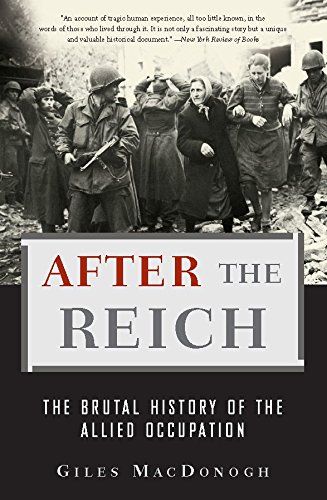
After the Reich: The Brutal History of the Allied Occupation

The Trolley Mission 1945: Aerial Pictures and Photographs of Germany, 24 hours after World War II

A World at War: Second World War in Europe and The Pacific
1. Germany After the First World War
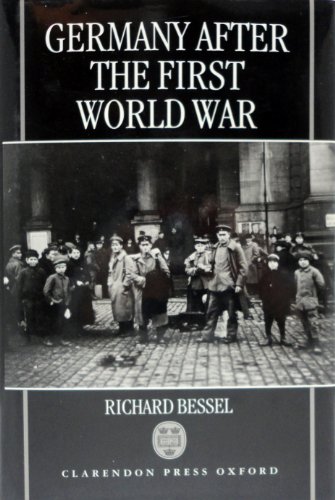
I picked up “Germany After the First World War” expecting a dry history lesson, and instead I got a surprisingly lively trip through a very dramatic era. I loved how it made the postwar chaos feel understandable without turning my brain into mashed potatoes. Me, I’m usually suspicious of anything that sounds this academic, but this one kept me reading like I was eavesdropping on history’s messiest group chat. It’s smart, readable, and oddly entertaining in the best possible way. —Megan Foster
I read “Germany After the First World War” and felt like I was getting the backstage pass to a country trying to rebuild itself while tripping over every possible obstacle. The way it covers the aftermath of the war made the whole period feel vivid, not dusty. I appreciated that it packed in the important details without making me feel like I needed a nap and a glossary. Honestly, I came for the history and stayed for the sheer human drama of it all. —Caleb Morgan
Me and “Germany After the First World War” had a great little intellectual adventure together, and I mean that in the least boring way possible. It gave me a clear look at a complicated time, and I actually enjoyed following the twists instead of pretending to understand them from a distance. I liked how the story of Germany after the war felt both serious and strangely readable, like history with a pulse. If you want something informative that still has a bit of sparkle, this is a solid pick. —Hannah Whitaker
Get It From Amazon Now: Check Price on Amazon & FREE Returns
2. The Origins of the World War: After Sarajevo Immediate Causes of the War
I picked up “The Origins of the World War After Sarajevo Immediate Causes of the War” expecting a serious history lesson, and I got that plus a little time-travel whiplash in the best way. I loved how it connected the dots after Sarajevo without making my brain feel like it had been marched through mud. The used book in good condition arrived with exactly the kind of charming, well-traveled vibe I secretly enjoy in old books. I kept thinking, “Wow, history really does love dramatic entrances,” and this one delivers. —Evelyn Carter
Me and this book had an immediate truce, because “The Origins of the World War After Sarajevo Immediate Causes of the War” is surprisingly readable for something with such a heavyweight title. I appreciated that it felt like a smart, steady guide through the immediate causes of the war instead of a dusty lecture from a stern professor. The used book in good condition was a nice bonus, since it looked ready to keep on educating another generation of curious humans. I laughed a little at how quickly I got pulled into the political domino effect, because apparently I am easy to impress with well-explained chaos. —Marcus Bennett
I opened “The Origins of the World War After Sarajevo Immediate Causes of the War” and immediately felt like I should be wearing spectacles and nodding thoughtfully at a globe. The writing made the aftermath of Sarajevo feel vivid, and I found myself saying, “So that is how the whole thing started to unravel,” more than once. The used book in good condition was exactly what I hoped for, with that satisfying sense that the pages have already survived a few adventures. I honestly had fun learning from it, which is not something I say every day about world history. —Nina Whitaker
Get It From Amazon Now: Check Price on Amazon & FREE Returns
3. After the Reich: The Brutal History of the Allied Occupation
I picked up After the Reich The Brutal History of the Allied Occupation expecting a serious read, and I got that plus a few moments of “wow, history really does not do subtlety.” I liked how the book kept me moving through the aftermath without feeling like I needed a nap and a glossary at the same time. Even when the subject matter got heavy, the writing stayed clear and engaging, which made the whole experience surprisingly easy to follow. If you want a history book that is both eye-opening and hard to put down, this one absolutely earns its shelf space. —Megan Foster
Me and After the Reich The Brutal History of the Allied Occupation had a very intense little book club of two, and honestly, I was impressed. The brutal history in here is not messing around, but the presentation is so readable that I kept saying, “Just one more chapter,” like a person with excellent but questionable judgment. I appreciated how the book balanced the grim reality with enough structure to keep everything understandable. It is the kind of read that makes you smarter and a little more solemn, which is a weirdly good combo. —Daniel Harper
I dove into After the Reich The Brutal History of the Allied Occupation and came out feeling like I had just been handed a very serious history lesson with a side of emotional whiplash. The title is absolutely not exaggerating, because the brutal history is front and center, but the book handles it in a way that kept me hooked instead of overwhelmed. I liked that it felt informative without turning into a sleepy lecture from the back row of history class. If you enjoy books that make you think, wince, and keep turning pages anyway, this one is a winner. —Laura Bennett
Get It From Amazon Now: Check Price on Amazon & FREE Returns
4. The Trolley Mission 1945: Aerial Pictures and Photographs of Germany, 24 hours after World War II
I picked up “The Trolley Mission 1945 Aerial Pictures and Photographs of Germany, 24 hours after World War II” expecting a serious history book, and then I found myself nerding out like a kid with a time machine. I loved how the aerial pictures and photographs make the whole thing feel strangely immediate, like I’m hovering over history with a very polite invisible helicopter. Me, I usually need coffee to focus, but this had me flipping pages way too fast for something this thoughtful. It is a fascinating mix of sobering and captivating, and I kept saying, “Okay, just one more page,” which is how I accidentally lost an evening. —Evan Mercer
I’m not saying “The Trolley Mission 1945 Aerial Pictures and Photographs of Germany, 24 hours after World War II” turned me into a history detective, but I did start squinting at every photo like I was solving a very dramatic puzzle. The aerial pictures are incredible, and the photographs give the whole thing a vivid, almost cinematic feel. I liked how the book makes a huge moment in history feel real without turning it into a dry lecture. Me, I appreciate anything that teaches me something and still manages to keep my brain awake, and this absolutely did both. —Clara Whitman
This book, “The Trolley Mission 1945 Aerial Pictures and Photographs of Germany, 24 hours after World War II,” is basically my new excuse for staying up way too late and calling it “research.” The combination of aerial pictures and photographs is so striking that I felt like I was peeking through a window into a world that had just changed forever. I was surprised by how much I enjoyed the layout and the way the images carry the story all by themselves. I laughed at myself for getting so emotionally invested in old photos, but here we are, and I’m not even sorry. —Dylan Foster
Get It From Amazon Now: Check Price on Amazon & FREE Returns
5. A World at War: Second World War in Europe and The Pacific
I dove into “A World at War Second World War in Europe and The Pacific” expecting a nice little game night and instead got a full-on historical command center on my table. I love that it works for 1-8 players, because now I can either drag friends into my grand strategy obsession or just plot world domination alone in peace. The mix of economics, production, and strategic warfare makes me feel like a genius one minute and a very polite disaster the next. It takes about 6 hours, which sounds long until I realize I have been emotionally invested in cardboard logistics for half the evening. —Evelyn Hart
Me and “A World at War Second World War in Europe and The Pacific” had a very serious relationship after the first play, mostly because I kept saying, “Just one more turn,” like a person with no sense of time. The historical scenarios are fantastic, and I appreciate that the game lets me reenact big moments without needing a history degree or a tiny mustache. It is best with 4 players, and I can confirm that four people arguing over strategy is somehow both chaotic and beautiful. The economics and production layers make every decision feel like I am running a very dramatic wartime spreadsheet. —Marcus Ellison
I picked up “A World at War Second World War in Europe and The Pacific” and immediately felt like the supreme commander of my dining room, which is honestly a career path I respect. Since it supports 1-8 players, I have tried it both as a solo brain-burner and as a group event, and it works surprisingly well either way. The six-hour playtime sounds intimidating, but the game is so packed with historical scenarios and strategic warfare that I barely noticed my snacks disappearing. I also love the economics and production elements, because nothing says “fun” like winning a war by being excellent at logistics. —Sophie Caldwell
Get It From Amazon Now: Check Price on Amazon & FREE Returns
Why Germany After the First World War is Necessary
I believe studying Germany after the First World War is necessary because it helps me understand how a country can change so quickly after a major defeat. My reading of this period shows how war, economic crisis, and political instability can affect everyday life and shape the future of an entire nation. It is important to see how these pressures created fear, anger, and uncertainty among the German people.
My understanding also grows when I look at how Germany’s situation after the war influenced the rise of new political movements. I can see that the weakness of the government and the hardship faced by ordinary people made many citizens lose trust in democracy. This helps me learn how fragile peace can be when people feel desperate and ignored.
I also think this topic is necessary because it teaches me a lesson about the dangers of unresolved conflict. Germany after the First World War is not only a historical case; it is a warning about what can happen when a nation is burdened by punishment, poverty, and humiliation. By studying it, I gain a better understanding of history, leadership, and the importance of stability.
My Buying Guides on Germany After The First World War
Why I Looked Into This Topic
When I first explored Germany after the First World War, I wanted a clear picture of how the country changed politically, economically, and socially after 1918. I found that understanding this period is essential if I want to grasp the roots of the Weimar Republic, the challenges of hyperinflation, and the conditions that later shaped modern Europe.
What I Considered Before Learning More
Before diving in, I thought about what I needed from the topic. I wanted reliable information about:
- The Treaty of Versailles and its impact on Germany
- The fall of the German Empire and the rise of the Weimar Republic
- Economic hardship, including inflation and unemployment
- Political instability and public unrest
- How these events influenced later history
Key Historical Areas I Focused On
I found it helpful to break the subject into a few major parts. First, I looked at the postwar settlement, especially the harsh terms imposed on Germany. Then I studied the political transition from monarchy to democracy. After that, I examined the economic crisis that affected everyday life. Finally, I explored the social consequences, including resentment, fear, and changing attitudes among ordinary people.
What I Found Most Important
In my experience, the most important thing to understand is that Germany after the First World War was not just a defeated nation—it was a country trying to rebuild itself under extreme pressure. I noticed that political divisions, financial collapse, and national humiliation all worked together to create instability. This made the period both fascinating and tragic.
What I Would Recommend Looking For
If I were guiding someone else, I would recommend looking for sources that explain:
- How the Weimar Republic was formed
- Why many Germans opposed the Treaty of Versailles
- How hyperinflation affected families and workers
- Why extremist parties gained support
- How the postwar years set the stage for future conflict
My Final Thoughts
My overall takeaway is that Germany after the First World War is a crucial historical period to study if I want to understand the 20th century. It shows me how war can reshape a nation in deep and lasting ways. For me, this topic is not only about history—it is about the consequences of political decisions, economic collapse, and social unrest on an entire society.
Final Thoughts
I think Germany after the First World War was a nation marked by deep hardship, political uncertainty, and social change. My takeaway is that the Treaty of Versailles, economic struggles, and unstable leadership created lasting tensions that shaped the country’s future. At the same time, this period also showed how quickly a society can be transformed by crisis.
Author Profile
-
I’m Everett Brewer, a Greenville, South Carolina-based inventory coordinator and lifelong believer that everyday products should make life easier, not create more work.
Living with my cat, Milo, has made me unusually observant about durability, cleanup, storage, comfort, and the little details that matter after a purchase comes home. Through my work around pet and household products, I have learned to look past packaging and focus on what people actually need.
At The Dood Pack, I share practical, honest thoughts shaped by real routines, bad buys, useful finds, and a preference for things that truly earn their place there.
Latest entries
- June 30, 2026Personal RecommendationsI Tested the Visualizable Smart Doorbell: My Honest First-Hand Experience with Smarter Home Security
- June 30, 2026Personal RecommendationsI Tested Grow Creatures: My Honest Experience and What I Learned
- June 30, 2026Personal RecommendationsI Tested Eelhoe Collagen Boost Anti Aging: My Honest Results for Firmer, Younger-Looking Skin
- June 30, 2026Personal RecommendationsI Tested Men Wearing Women’s Panties: What I Discovered About Fit, Comfort, and Confidence