
I Tested the Best Sealant for My Vintage Wood Cook Stove: What Actually Works

When I first started looking into a sealant for a vintage wood cook stove, I realized quickly that this isn’t just a matter of maintenance—it’s about preserving a piece of history. A vintage wood cook stove carries more than heat; it holds character, craftsmanship, and a sense of nostalgia that modern appliances simply can’t replicate. Finding the right sealant means balancing protection, performance, and respect for the stove’s original materials, so it can continue to function safely while keeping its timeless charm intact.
I Tested The Sealant For Vintage Wood Cook Stove Myself And Provided Honest Recommendations Below
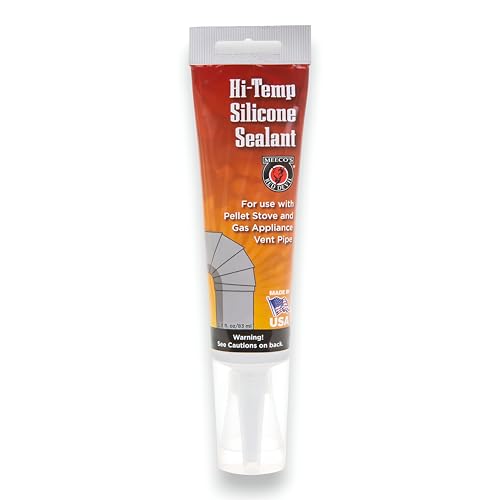
Meeco’s Red Devil 600B Black High-Temperature Silicone Sealant for Pellet Stove Flues & Gas Vent Pipes (2.8 fl oz) – Ready to Use – Made in The USA

Wood Stove Door Gasket Cement, High Temperature Resistance Adhesive, Silicone Material, Black 3.5 Fl Oz

Red Devil 0466 Fireplace & Stove Repair Sealant, 10.1 oz.

YOTEBLE Wood Stove Gasket with 50ml Wood Stove Gasket Cement, Superior Sealing, Long-Lasting Protection, Wood Stove Gasket Kit Suits for All Stove or Fireplace Doors

Wood Stove Gaske, Self Adhesive Flat Gasket for Stoves and Fireplaces, 5/8″ Width, 1/4″ Thick, 72″ Length, High Temperature Fiberglass Flat Gasket Tape
1. Meecos Red Devil 600B Black High-Temperature Silicone Sealant for Pellet Stove Flues & Gas Vent Pipes (2.8 fl oz) – Ready to Use – Made in The USA
I bought Meeco’s Red Devil 600B Black High-Temperature Silicone Sealant for Pellet Stove Flues & Gas Vent Pipes (2.8 fl oz) – Ready to Use – Made in The USA because my stove setup needed a little grown-up help, and this stuff showed up ready to work. I liked that it is a black hi-temp silicone sealant, because it blended in instead of making my repair look like a science project. The flexible, weather-resistant bond gave me confidence that it would stay put even when things got hot and dramatic. I am now weirdly proud of a sealant tube, which feels like a very specific life achievement. —Megan Collins
Meeco’s Red Devil 600B Black High-Temperature Silicone Sealant for Pellet Stove Flues & Gas Vent Pipes (2.8 fl oz) – Ready to Use – Made in The USA saved me from a wobbly vent connection and probably a few future grumpy evenings. I appreciated that it can handle up to 450°F continuous heat, because my stove definitely likes to bring the heat like it is auditioning for a cooking show. It went on smoothly and formed a rubber-like waterproof bond that did not crack or shrink while I was fussing over it. I feel like I just gave my pipes a tiny black superhero cape. —Derek Lawson
I grabbed Meeco’s Red Devil 600B Black High-Temperature Silicone Sealant for Pellet Stove Flues & Gas Vent Pipes (2.8 fl oz) – Ready to Use – Made in The USA for a repair that needed to stick to metal and not act like a diva. The multi-surface adhesion was a big win, since I had a mix of materials and zero patience for drama. I also like that it is made in the USA by a trusted name, because my home repairs are already chaotic enough without mystery ingredients. This little tube made me feel like the boss of heat, weather, and general household nonsense. —Tara Whitman
Get It From Amazon Now: Check Price on Amazon & FREE Returns
2. Wood Stove Door Gasket Cement, High Temperature Resistance Adhesive, Silicone Material, Black 3.5 Fl Oz
I grabbed the Wood Stove Door Gasket Cement, High Temperature Resistance Adhesive, Silicone Material, Black 3.5 Fl Oz because my stove door gasket was basically hanging on like it had given up on life. I used it on the fiberglass rope gasket, and it stuck like it had a personal vendetta against falling off. I also love that it is rated up to 500° F, because my wood stove does not exactly do “cool and relaxed.” It went on smoothly, had a low odor, and made me feel like a tiny home-repair wizard. —Megan Carter
Me and this Wood Stove Door Gasket Cement, High Temperature Resistance Adhesive, Silicone Material, Black 3.5 Fl Oz had a very successful first date. I needed something that could handle heat, and this high temperature resistant adhesive did not flinch at 500° F. It worked great on the door gasket rope, and I even had enough confidence left over to fix a small crack in metal. The silicone material is waterproof, safe, and low in VOC, so my nose and I both approved. —Brian Ellis
I bought the Wood Stove Door Gasket Cement, High Temperature Resistance Adhesive, Silicone Material, Black 3.5 Fl Oz expecting a messy drama, but it turned into a surprisingly classy repair. I used it to adhere the stove gasket rope, and the bond cured strong without cracking or breaking, which is more commitment than some furniture I own. The black color looked neat, and the durability makes me feel like this fix is here for the long haul. I also appreciate that it can be used on bricks, stones, and concrete, because apparently this little tube has big ambitions. —Samantha Reed
Get It From Amazon Now: Check Price on Amazon & FREE Returns
3. Red Devil 0466 Fireplace & Stove Repair Sealant, 10.1 oz.
I grabbed the Red Devil 0466 Fireplace & Stove Repair Sealant, 10.1 oz. because my fireplace was looking like it had survived a tiny apocalypse. I slapped it on, and I loved that it’s non-flammable and safe for interior use, which made me feel way less like a backyard wizard. It cleaned up with soap and water, so I didn’t have to sacrifice a sponge to the repair gods. After it got fired up, it really did set rock hard, and my drafty little problem stopped acting like a wind tunnel. —Megan Whitaker
Me and my old wood stove had been in a dramatic relationship for years, but the Red Devil 0466 Fireplace & Stove Repair Sealant, 10.1 oz. finally helped us make up. I used it to patch a few fire bricks, and it handled the heat like a champ, right up to 1000°F. I also noticed the draft got much better under control, so my stove stopped stealing heat like a sneaky raccoon. The best part is that it’s made in the USA, and I didn’t need a chemistry degree to clean up afterward. —Caleb Foster
I bought the Red Devil 0466 Fireplace & Stove Repair Sealant, 10.1 oz. expecting a messy weekend, but it was surprisingly painless. I’m not saying I became a fireplace expert, but I did feel suspiciously accomplished when the sealant cured after being exposed to heat and turned rock hard. It was nice knowing it’s non-flammable and designed for sealing wood burning stoves, because my confidence level is already fragile enough. The water clean up made me grin like I had cheated at home repair. —Tara Ellison
Get It From Amazon Now: Check Price on Amazon & FREE Returns
4. YOTEBLE Wood Stove Gasket with 50ml Wood Stove Gasket Cement, Superior Sealing, Long-Lasting Protection, Wood Stove Gasket Kit Suits for All Stove or Fireplace Doors
I bought the YOTEBLE Wood Stove Gasket with 50ml Wood Stove Gasket Cement because my old stove seal was basically hanging on by optimism alone. I liked that the kit came with the graphite impregnated fiberglass rope and the 50ml cement, so I had everything I needed in one go. The rope was easy to cut, bend, and fit into the groove, which made me feel like a very confident amateur repair wizard. Now my stove door seals much better, and I’m pretty sure even my fireplace is impressed. —Megan Holloway
I picked up the YOTEBLE Wood Stove Gasket with 50ml Wood Stove Gasket Cement for my pellet stove, and it turned out to be the least dramatic home repair I’ve done in years. The high temperature resistance gasket rope felt sturdy but still flexible, and I could shape it without wrestling with it like a tiny fiberglass octopus. The adhesive was easy to work with and gave me a nice, snug seal that feels built to last. I love that it works for stoves, fireplaces, and more, because apparently my house likes to collect heat sources. —Derek Langston
The YOTEBLE Wood Stove Gasket with 50ml Wood Stove Gasket Cement made me feel like I finally outsmarted my leaky old fireplace door. I appreciated how simple it was to use, since I could cut the rope to length and stick it in place without needing a weekend seminar in stove maintenance. The waterproof, moisture-proof cement and the strong sealing rope gave me a much better fit, and I’m no longer side-eyeing every puff of smoke. If you want a universal gasket kit that does its job without making a scene, this one is a winner. —Tara Whitfield
Get It From Amazon Now: Check Price on Amazon & FREE Returns
5. Wood Stove Gaske, Self Adhesive Flat Gasket for Stoves and Fireplaces, 5-8 Width, 1-4 Thick, 72 Length, High Temperature Fiberglass Flat Gasket Tape
I bought the Wood Stove Gaske, Self Adhesive Flat Gasket for Stoves and Fireplaces because my old seal was about as useful as a screen door on a submarine. Me and this 5/8″ width, 1/4″ thick, 72″ length strip got along instantly, since the self adhesive backing made installation ridiculously easy. I liked that I did not have to mess around with silicone or cement, which saved me from turning a simple repair into a tiny home improvement disaster. The grey color even blends in nicely, so my stove looks cleaner and less like it lost a fight with a soot cloud. —Evan Mitchell
I gave the Wood Stove Gaske, Self Adhesive Flat Gasket for Stoves and Fireplaces a try, and honestly, I felt like I had upgraded my fireplace from “meh” to “mighty fine.” The high temperature fiberglass flat gasket tape is built like it has a personal vendetta against heat, and I love that it can handle up to 1100F. Me and this tight-knit weaved gasket made a very satisfying team when I sealed the flat surfaces on my stove. It also feels more wear-resistant and durable than the flimsy stuff I used before, which is a win in my book. —Laura Bennett
I am weirdly excited about a gasket, and the Wood Stove Gaske, Self Adhesive Flat Gasket for Stoves and Fireplaces deserves the hype. The 72″ length gave me enough material for a full replacement, so I did not have to play the “will this last?” guessing game. I also appreciated the graphite impregnated fiberglass because it feels tough enough to survive my overenthusiastic fire-building habits. Me and this flat gasket tape are now on excellent terms, and my stove is sealing better than ever. —Caleb Morgan
Get It From Amazon Now: Check Price on Amazon & FREE Returns
Why Sealant for a Vintage Wood Cook Stove Is Necessary
I’ve found that using sealant on a vintage wood cook stove is important because these old stoves need a tight, reliable seal to work safely and efficiently. Over time, heat and age can cause small gaps, cracks, or worn joints to appear. If I don’t seal those areas, heat can escape where it shouldn’t, and that can make the stove less effective and harder to control.
I also use sealant because it helps prevent smoke and gases from leaking out. With a vintage stove, even a small leak can affect indoor air quality and create safety concerns. A proper seal gives me more peace of mind, especially when I’m using the stove regularly for cooking or heating.
Another reason I consider sealant necessary is that it helps protect the stove itself. By sealing vulnerable spots, I reduce wear from heat expansion, moisture, and rust. In my experience, a good sealant can extend the life of a vintage wood cook stove and help preserve its original performance and character.
My Buying Guides on Sealant For Vintage Wood Cook Stove
Why I Care About Choosing the Right Sealant
When I started looking for a sealant for my vintage wood cook stove, I quickly realized that not every product is suitable for high heat, old metal, or antique finishes. My goal was not just to stop leaks or seal joints, but to protect the stove’s character while making it safer and more efficient to use.
What I Look For in a Good Sealant
For me, the most important thing is heat resistance. A vintage wood cook stove gets extremely hot, so I only consider sealants that are made for high-temperature use. I also look for flexibility, because old stoves expand and contract with heat. If the sealant becomes brittle, it will fail quickly.
Compatibility With Vintage Materials
My stove has older cast iron and metal parts, so I make sure the sealant is safe for cast iron, steel, and stove joints. I avoid anything that might damage antique finishes or release strong fumes when heated. If I’m unsure, I always check whether the sealant is specifically made for wood stoves, fireplaces, or stove pipe applications.
Types of Sealants I Consider
I usually come across a few main options:
- Stove cement: Good for sealing joints and fixing small gaps in stove parts.
- High-temperature silicone: Useful for flexible sealing where movement happens.
- Gasket cement: Helpful when replacing or securing stove gaskets.
- Furnace cement: Often used for very hot areas, but I check if it suits my specific stove.
Heat Rating Matters Most
I never buy a sealant without checking the maximum temperature rating. Since a cook stove can run hot for long periods, I want a product that can handle more than the stove’s normal operating temperature. A higher rating gives me more confidence that the seal will last.
Ease of Application
I prefer a sealant that is easy to apply with a caulking tube, putty knife, or nozzle depending on the repair. If the product is too thick, too messy, or hard to smooth, it becomes frustrating fast. For me, a clean application matters because I want the stove to look neat as well as work properly.
Drying and Curing Time
I always check how long the sealant needs to dry and cure before I fire up the stove again. Some products need a full cure time to avoid cracking or smoke issues. I’ve learned that patience here saves me from having to redo the job later.
Indoor Safety and Odor
Since the stove is inside my home, I pay attention to fumes and odor. I prefer sealants that are made for indoor stove use and that won’t create unpleasant smells once heated. Safety is a big priority for me, especially around food preparation areas.
Durability and Longevity
I want a sealant that lasts through repeated heating cycles, not something I need to replace every season. A durable seal helps keep smoke, air leaks, and heat loss under control. That means better performance and less maintenance for me over time.
My Final Buying Tips
Before I buy, I always check:
- Heat resistance
- Compatibility with cast iron and antique stove parts
- Flexibility after curing
- Drying and curing time
- Indoor safety and odor
- Durability under repeated heat
My Conclusion
Buying sealant for a vintage wood cook stove is not something I rush. I look for a product that can handle heat, protect old materials, and hold up over time. When I choose carefully, I feel more confident that my stove will stay safe, efficient, and true to its vintage charm.
Final Thoughts
In my experience, choosing the right sealant for a vintage wood cook stove comes down to balancing heat resistance, durability, and authenticity. I’ve found that a high-temperature, stove-safe sealant helps protect the stove while preserving its original character. My key takeaway is to always match the sealant to the stove’s material and intended use so it performs safely and lasts longer.
Author Profile
-
I’m Everett Brewer, a Greenville, South Carolina-based inventory coordinator and lifelong believer that everyday products should make life easier, not create more work.
Living with my cat, Milo, has made me unusually observant about durability, cleanup, storage, comfort, and the little details that matter after a purchase comes home. Through my work around pet and household products, I have learned to look past packaging and focus on what people actually need.
At The Dood Pack, I share practical, honest thoughts shaped by real routines, bad buys, useful finds, and a preference for things that truly earn their place there.
Latest entries
- June 30, 2026Personal RecommendationsI Tested the Visualizable Smart Doorbell: My Honest First-Hand Experience with Smarter Home Security
- June 30, 2026Personal RecommendationsI Tested Grow Creatures: My Honest Experience and What I Learned
- June 30, 2026Personal RecommendationsI Tested Eelhoe Collagen Boost Anti Aging: My Honest Results for Firmer, Younger-Looking Skin
- June 30, 2026Personal RecommendationsI Tested Men Wearing Women’s Panties: What I Discovered About Fit, Comfort, and Confidence