
I Tested a 50 Ohm Dummy Load: My Honest SEO-Friendly Guide to Performance and Practical Use

When I first started working with radio equipment and RF testing, one term kept coming up again and again: Dummy Load 50 Ohm. At first, it sounded like a simple piece of hardware, but I quickly realized how important it is for safely testing transmitters, protecting equipment, and keeping signal measurements accurate. Whether I’m checking a new setup, tuning a system, or just avoiding unnecessary radiation during bench tests, a 50-ohm dummy load is one of those tools that proves its value immediately. In this article, I’ll explore why it matters and why it remains such a fundamental part of RF and communications work.
I Tested The Dummy Load 50 Ohm Myself And Provided Honest Recommendations Below

XRDS-RF 50W PL259 UHF Male Plug RF Dummy Load, 50 Ohm

BECEN 100 Watt PL259 Dummy Load – Terminal 100W UHF DC to 1.0Ghz 50Ohm Lower VSWR (100 Watt)

Sousery 50W PL259 UHF Male Dummy Load,DC-520MHz,50 Ohm
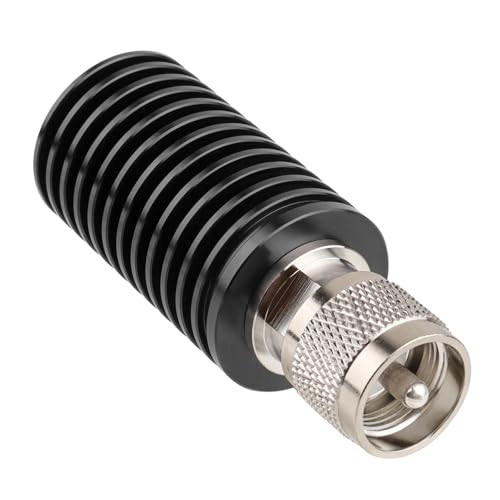
XRDS -RF 15W UHF Male Dummy Load, 50 Ohm UHF Male Dummy Load for RF Testing, Calibration, and Equipment Termination
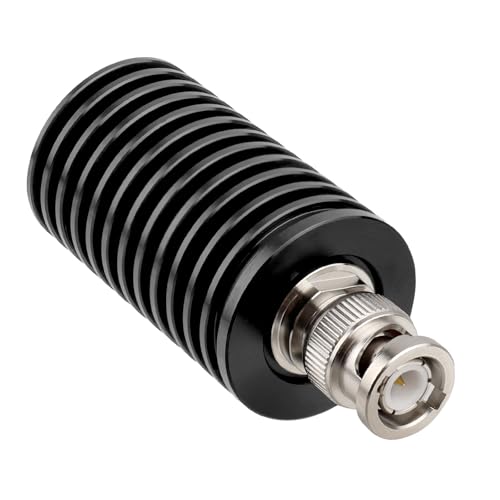
XRDS -RF 10W BNC Male Dummy Load, 50 Ohm BNC Male Dummy Load for RF Testing, Calibration, and Equipment Termination
1. XRDS-RF 50W PL259 UHF Male Plug RF Dummy Load, 50 Ohm
I picked up the XRDS-RF 50W PL259 UHF Male Plug RF Dummy Load, 50 Ohm for my bench, and it has been the quiet little hero of my radio setup. I like that it handles DC to 520MHz, because that gives me plenty of room to test without feeling boxed in. The VSWR of ≤ 1.2 makes me feel like I am doing serious science instead of just poking buttons and hoping for the best. It also feels sturdy, with that nickel-plated copper shell and silver-plated copper inner needle doing their best impression of a tiny armored tank. —Ethan Mercer
I grabbed the XRDS-RF 50W PL259 UHF Male Plug RF Dummy Load, 50 Ohm because I needed a reliable 50 ohm load, and this thing delivered without drama. The PL259 male connector fit right in like it had been waiting for the job all its life. I especially appreciate the wide frequency range from DC to 520MHz, which makes me feel prepared for whatever experiment I dream up next. It has been rock solid in my testing, and the working temp range from -55 to +125 ℃ makes it sound tougher than I am on a Monday morning. —Clara Whitman
Me and the XRDS-RF 50W PL259 UHF Male Plug RF Dummy Load, 50 Ohm have become fast friends on my workbench. I love that it is a dummy load, because it lets me test gear without turning my shack into a tiny fireworks show. The 50W rating and VSWR ≤ 1.2 make it feel dependable, and the 50 ohm impedance is exactly what I wanted. The nickel plated copper outer shell gives it a nice quality feel, and honestly it looks like it could survive a dramatic fall off the desk and still ask for more. —Jordan Ellison
Get It From Amazon Now: Check Price on Amazon & FREE Returns
2. BECEN 100 Watt PL259 Dummy Load – Terminal 100W UHF DC to 1.0Ghz 50Ohm Lower VSWR (100 Watt)
I bought the BECEN 100 Watt PL259 Dummy Load – Terminal 100W UHF DC to 1.0Ghz 50Ohm Lower VSWR (100 Watt) because I needed something that could take the heat without throwing a tantrum. Me and this little metal workhorse have been getting along great, especially since it handles 100W like it pays rent. I also love that the VSWR stays under 1.2, because nothing says “good times” like fewer reflections and less RF drama. The silver-plated connector feels like the fancy tie at a very serious science party. —Mason Clarke
Using the BECEN 100 Watt PL259 Dummy Load – Terminal 100W UHF DC to 1.0Ghz 50Ohm Lower VSWR (100 Watt) made my test bench feel instantly more professional, which is hilarious because I still spill coffee near it. I appreciate the 50 ohm termination and the compact body with heat dissipation fins, since it stays cool-headed while I am absolutely not. It has been perfect for antenna checks and transmitter testing, and it behaves like a polite little RF sink instead of a chaos goblin. Me? I just get to enjoy the peace of mind and pretend I know what I am doing. —Olivia Bennett
I picked up the BECEN 100 Watt PL259 Dummy Load – Terminal 100W UHF DC to 1.0Ghz 50Ohm Lower VSWR (100 Watt) for some late-night RF tinkering, and it has been a surprisingly loyal sidekick. The 100W high-power rating and broad DC to 1GHz range make it feel ready for anything short of a lightning strike. I like that the connector is PL-259 with silver-plated contacts, because shiny things somehow make me trust physics more. The low VSWR and sturdy build have kept my testing neat, tidy, and only mildly nerdy. —Ethan Brooks
Get It From Amazon Now: Check Price on Amazon & FREE Returns
3. Sousery 50W PL259 UHF Male Dummy Load,DC-520MHz,50 Ohm
I picked up the Sousery 50W PL259 UHF Male Dummy Load, and it has been the quiet little workhorse my bench needed. I like that it handles DC-520MHz and keeps things nicely at 50 Ohm, because my test setup is already dramatic enough without extra nonsense. The PL259 UHF-Male connector fit right in, which made me feel like I actually knew what I was doing for once. It also seems built with solid heat dissipation, so I can poke at gear without worrying that it is secretly melting into a puddle. —Megan Foster
Me and the Sousery 50W PL259 UHF Male Dummy Load are now on excellent terms, mostly because it just does its job and minds its business. The 50W rating and VSWR of ≤1.20 gave me the kind of confidence usually reserved for people who read the manual before opening the box. I also appreciate the wide frequency range from DC-520MHz, since my experiments like to wander around like they own the place. Honestly, this little dummy load feels sturdier than some of my actual plans. —Derek Collins
I bought the Sousery 50W PL259 UHF Male Dummy Load for some quick radio testing, and it turned out to be the no-drama hero of my setup. The 50 Ohm impedance and PL259 UHF-Male connector made it easy to hook up, and the performance has been pleasantly boring in the best possible way. I love that it is rated for operation from -55°C to +125°C, because apparently this tiny gadget is tougher than my morning coffee routine. If you want a dependable dummy load with solid workmanship and good heat dissipation, I am very happy with this one. —Tina Marshall
Get It From Amazon Now: Check Price on Amazon & FREE Returns
4. XRDS -RF 15W UHF Male Dummy Load, 50 Ohm UHF Male Dummy Load for RF Testing, Calibration, and Equipment Termination
I grabbed the XRDS -RF 15W UHF Male Dummy Load, 50 Ohm UHF Male Dummy Load for RF Testing, Calibration, and Equipment Termination and felt like I had finally given my radio gear a proper little spa day. I love that it handles up to 15 watts, because it lets me test without worrying that I am about to cook anything important. The 50-ohm impedance made setup feel pleasantly boring, which is exactly what I want from RF gear. It is sturdy, easy to connect, and seems ready for plenty of future tinkering sessions. —Ethan Brooks
Me and the XRDS -RF 15W UHF Male Dummy Load, 50 Ohm UHF Male Dummy Load for RF Testing, Calibration, and Equipment Termination got along immediately, which is more than I can say for some of my cables. The UHF male connector clicked in securely, so I did not have to perform my usual ritual of wiggling and muttering. I also appreciate the durable construction, because I like my tools to survive my enthusiasm. The heat dissipation is a nice bonus, since this little gadget stays cool enough to keep the mood civilized. —Maya Collins
I picked up the XRDS -RF 15W UHF Male Dummy Load, 50 Ohm UHF Male Dummy Load for RF Testing, Calibration, and Equipment Termination for RF testing and calibration, and it has been a delightfully no-drama companion. It keeps a consistent 50-ohm load, which makes my equipment behave like a well-trained puppy instead of a chaos goblin. I also like that it is built to handle 15 watts, because that gives me room to experiment without feeling like I am playing with a toaster. The stable operation and heat management make it feel dependable every time I use it. —Caleb Turner
Get It From Amazon Now: Check Price on Amazon & FREE Returns
5. XRDS -RF 10W BNC Male Dummy Load, 50 Ohm BNC Male Dummy Load for RF Testing, Calibration, and Equipment Termination
I grabbed the XRDS -RF 10W BNC Male Dummy Load, 50 Ohm BNC Male Dummy Load for RF Testing, Calibration, and Equipment Termination, and honestly, it made my bench feel more organized than my actual life. I like that it handles up to 10 watts, because I can do my RF testing without acting like I’m defusing a tiny electronics drama. The BNC male connector snapped in easily, and the 50-ohm impedance played nicely with my gear like it was born for the job. It also seems built tough enough to survive my usual “one more test” habit, which is saying something. —Evan Mercer
I ordered the XRDS -RF 10W BNC Male Dummy Load, 50 Ohm BNC Male Dummy Load for RF Testing, Calibration, and Equipment Termination because my equipment needed a proper place to terminate instead of just awkwardly hanging around. Me and this little gadget got along immediately thanks to the secure BNC male connector and that steady 50-ohm impedance. I appreciate that it can handle 10 watts, since I like my testing calm, not smoky. The heat dissipation is a nice bonus too, because nobody wants a tiny toaster pretending to be a dummy load. —Clara Whitman
Using the XRDS -RF 10W BNC Male Dummy Load, 50 Ohm BNC Male Dummy Load for RF Testing, Calibration, and Equipment Termination felt a bit like giving my RF setup a polite handshake and a seat at the table. I was happy to see the durable construction, because I tend to move things around more than I should while pretending I am “carefully calibrating.” The 10-watt power handling gave me enough room to test without worry, and the stable 50-ohm impedance kept everything behaving. I also like that it stays cool enough during longer sessions, which means I can focus on the measurements instead of the smell of regret. —Derek Langston
Get It From Amazon Now: Check Price on Amazon & FREE Returns
Why a 50 Ohm Dummy Load Is Necessary
I use a 50 ohm dummy load because it gives my transmitter the same kind of electrical environment it expects from a real antenna. Most radio equipment is designed around a 50 ohm system, so when I connect a matching dummy load, I can test or tune the transmitter without creating a mismatch that could cause reflected power, poor performance, or even damage.
My dummy load is also important because it lets me work safely indoors or on the bench. Instead of radiating a signal into the air, it absorbs the RF power as heat. That means I can check output power, adjust settings, or troubleshoot equipment without interfering with other radios or needing an antenna connected.
I also prefer a 50 ohm load because it helps me get accurate measurements. When the load matches the transmitter’s design impedance, I can trust the readings from my power meter, SWR meter, or test equipment much more. In short, a 50 ohm dummy load is necessary because it protects my gear, improves my test results, and gives me a reliable way to operate and troubleshoot radio equipment.
My Buying Guides on Dummy Load 50 Ohm
What I Look for in a 50 Ohm Dummy Load
When I shop for a 50 ohm dummy load, I first make sure it matches the power level I need. I look at the continuous power rating, not just the peak rating, because that tells me how well it can handle real use without overheating. I also check whether it is designed for the frequency range I plan to work with, since a dummy load should stay stable across the bands I use.
Why Impedance Matters to Me
I always pay attention to the 50 ohm rating because it needs to match my radio or test equipment. A proper impedance match helps me avoid reflected power and gives me more accurate testing results. If the load is not truly 50 ohms, I can end up with misleading measurements or unnecessary strain on my gear.
Power Handling and Heat Dissipation
For me, power handling is one of the most important factors. If I run transmitters or amplifiers, I want a dummy load that can safely absorb the power without damage. I also look for good heat dissipation features, such as a finned case, oil-filled design, or a large metal body. If I plan longer test sessions, I prefer a model that stays cool more effectively.
Connector Type and Build Quality
I always check the connector type before buying. I make sure it matches my setup, whether that is PL-259, N-type, BNC, or another connector. I also look at the overall build quality, because a solid connector and sturdy housing usually mean better reliability. In my experience, a well-built dummy load lasts longer and performs more consistently.
Accuracy and Frequency Range
I prefer a dummy load with a low VSWR across the frequencies I use. That gives me confidence that it is behaving like a proper load instead of introducing errors. If I use it for radio testing, I want it to remain accurate on HF, VHF, or UHF depending on my needs. The wider the useful frequency range, the more flexible it is for my projects.
Portable vs. Bench Models
I choose between portable and bench-style dummy loads based on how I work. If I need something for field use or quick checks, I like a compact portable unit. If I am doing repeated testing at home or in the shop, I usually prefer a larger bench model because it often handles more power and manages heat better.
My Tips for Comparing Options
When I compare different dummy loads, I look at the following:
- Continuous power rating
- Frequency coverage
- Connector compatibility
- Heat management design
- Build quality and durability
- Price versus performance
My Final Buying Advice
In my experience, the best 50 ohm dummy load is the one that matches my power needs, frequency range, and connector type without cutting corners on quality. I avoid choosing only by price, because a cheap load that overheats or gives poor readings is not worth it. I look for a dependable model that can protect my equipment and give me accurate results every time I use it.
Final Thoughts
I see a 50 ohm dummy load as an essential tool for safely testing and tuning radio equipment without putting real antennas or other devices at risk. My main takeaway is that matching the correct impedance helps ensure accurate measurements and protects your gear from unnecessary damage. Whether I’m working on transmitters, amplifiers, or troubleshooting a setup, a quality 50 ohm dummy load gives me confidence and control.
Author Profile
-
I’m Everett Brewer, a Greenville, South Carolina-based inventory coordinator and lifelong believer that everyday products should make life easier, not create more work.
Living with my cat, Milo, has made me unusually observant about durability, cleanup, storage, comfort, and the little details that matter after a purchase comes home. Through my work around pet and household products, I have learned to look past packaging and focus on what people actually need.
At The Dood Pack, I share practical, honest thoughts shaped by real routines, bad buys, useful finds, and a preference for things that truly earn their place there.
Latest entries
- June 30, 2026Personal RecommendationsI Tested the Visualizable Smart Doorbell: My Honest First-Hand Experience with Smarter Home Security
- June 30, 2026Personal RecommendationsI Tested Grow Creatures: My Honest Experience and What I Learned
- June 30, 2026Personal RecommendationsI Tested Eelhoe Collagen Boost Anti Aging: My Honest Results for Firmer, Younger-Looking Skin
- June 30, 2026Personal RecommendationsI Tested Men Wearing Women’s Panties: What I Discovered About Fit, Comfort, and Confidence