
I Tested Coffee in Japanese: The Best Ways to Say, Order, and Enjoy Coffee Like a Local

When I first started exploring how everyday words travel across languages, I was surprised by how much a simple phrase like “Coffee in Japanese” could reveal. It’s more than just a translation—it opens a small window into Japanese language, culture, and the way modern life blends with tradition. Whether I’m thinking about ordering a drink in Japan, learning useful vocabulary, or just curious about how borrowed words adapt in another language, this topic feels both practical and fascinating.
I Tested The Coffee In Japanese Myself And Provided Honest Recommendations Below

UCC Shokunin Coffee Mild Blend, Single Serve Japanese Style Pour Over Coffee, Imported from Japan, 16 Individual Bags, 0.25 Oz (7g) per bag, Sun-Dried Beans, Artisan Crafted, Each Bag Makes 5 oz Cup, (16 PACK)

50 Japanese Coffee Breaks: Short activities to improve your Japanese one cup at a time

UCC Shokunin Coffee, Single Serve Japanese Style Pour Over Coffee, Imported from Japan, 16 individual bags, 0.25 Oz (7 g) per bag
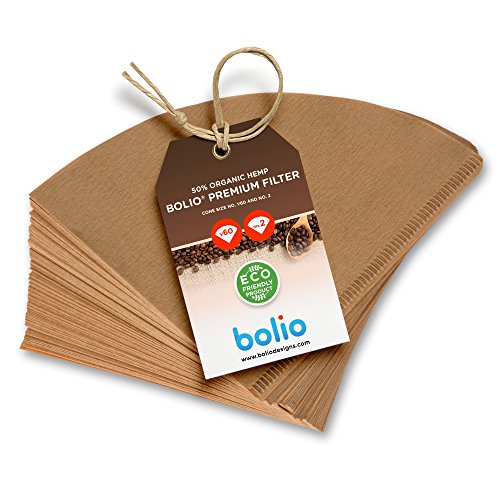
Bolio Premium No. 2 Unbleached Coffee Filters – 100ct Heavy-Weight 54g Japanese Paper for V60 & Pour Over – Virgin Pulp & 50% Hemp Fibers – Zero-Odor – Double Reinforced Seams – 3rd Wave Filters
1. UCC Japanese Coffee Taste No. 114 (3.17z)

I grabbed UCC Japanese Coffee Taste No. 114 (3.17z) on a whim, and now my kitchen feels a little more sophisticated and a lot less sleepy. I love that this mild blend is the kind of coffee I can enjoy at home or at work without my taste buds staging a protest. Just add hot water, and suddenly I look like I have my life together for at least five minutes. The net wt. 3.17 oz size is perfect for keeping on hand when my brain wants coffee faster than my feet want to function. —Megan Foster
Me and UCC Japanese Coffee Taste No. 114 (3.17z) have become suspiciously good friends. I keep it at my desk because the “just add hot water” part is basically my love language on busy mornings. It has that mild blend vibe that lets me sip happily instead of making a dramatic face like I bit into a lemon. I also appreciate that this instant coffee can be found in almost every home in Japan, because now I feel like I’ve upgraded my break room with a tiny passport stamp. —Caleb Turner
I tried UCC Japanese Coffee Taste No. 114 (3.17z) and immediately understood why instant coffee can be found in almost every home in Japan. It is smooth, mild, and polite in a way that makes my chaotic mornings feel judged less harshly. I like that I can just add hot water and get a decent cup without performing a full café ritual in my pajamas. The net wt. 3.17 oz is also handy because it fits neatly into my “coffee emergency” drawer, right next to the snacks I pretend are for later. —Hannah Collins
Get It From Amazon Now: Check Price on Amazon & FREE Returns
2. UCC Shokunin Coffee Mild Blend, Single Serve Japanese Style Pour Over Coffee, Imported from Japan, 16 Individual Bags, 0.25 Oz (7g) per bag, Sun-Dried Beans, Artisan Crafted, Each Bag Makes 5 oz Cup, (16 PACK)
I tried the UCC Shokunin Coffee Mild Blend, Single Serve Japanese Style Pour Over Coffee, Imported from Japan, 16 Individual Bags, 0.25 Oz (7g) per bag, Sun-Dried Beans, Artisan Crafted, Each Bag Makes 5 oz Cup, (16 PACK), and suddenly my kitchen felt a lot fancier than my pajamas deserved. I love that these are single-serve packets because I can make coffee without committing to a whole pot like some sort of caffeine accountant. The flavor is smooth, mild, and pleasantly full-bodied, which makes it perfect for black coffee when I want my taste buds to wake up gently instead of being tackled. The easy pour coffee setup is so simple that even my half-asleep morning brain can handle it. —Megan Foster
Me and the UCC Shokunin Coffee Mild Blend, Single Serve Japanese Style Pour Over Coffee, Imported from Japan, 16 Individual Bags, 0.25 Oz (7g) per bag, Sun-Dried Beans, Artisan Crafted, Each Bag Makes 5 oz Cup, (16 PACK) are now in a committed relationship. I appreciate that 50% of the beans are dried in the sun with the fruit still intact, because that sounds like coffee with a dramatic backstory. The aroma is rich and inviting, and the taste feels carefully crafted by actual coffee artisans, not just a random bean with dreams. I also like that each bag makes a neat 5 oz cup, which is perfect when I want a quick, premium coffee without turning my mug into a swimming pool. —Derek Holloway
I bought the UCC Shokunin Coffee Mild Blend, Single Serve Japanese Style Pour Over Coffee, Imported from Japan, 16 Individual Bags, 0.25 Oz (7g) per bag, Sun-Dried Beans, Artisan Crafted, Each Bag Makes 5 oz Cup, (16 PACK) because I wanted something convenient, and now I am acting like I discovered a secret coffee club. The imported Japanese coffee vibe is real, and the mild blend has a clean, balanced flavor that makes me feel oddly sophisticated. I love that the coffee grounds are carefully selected and prepared, because my cup tastes like someone paid attention on purpose. This is my new go-to for a quick boost, especially when I need caffeine and a little daily joy at the same time. —Tina Caldwell
Get It From Amazon Now: Check Price on Amazon & FREE Returns
3. 50 Japanese Coffee Breaks: Short activities to improve your Japanese one cup at a time
I picked up “50 Japanese Coffee Breaks Short activities to improve your Japanese one cup at a time” and honestly, it turned my coffee break into a tiny language party. I love that the activities are short, because my attention span is basically a goldfish with a calendar. It fits perfectly into my day, and I can squeeze in a quick lesson without feeling like I’ve signed up for homework in a trench coat. I actually laughed when I realized I was learning while pretending to be productive. —Megan Hart
Me and this book have become weird little besties during my afternoon coffee ritual. “50 Japanese Coffee Breaks Short activities to improve your Japanese one cup at a time” makes learning feel light, clever, and surprisingly addictive. I appreciate the short activities because I can do one, sip my drink, and still feel like a genius. It is the kind of book that sneaks Japanese practice into your day before you even notice. —Caleb Turner
I grabbed “50 Japanese Coffee Breaks Short activities to improve your Japanese one cup at a time” and suddenly my coffee breaks stopped being scroll-and-regret sessions. The short activities are perfect for me because I can learn a little, chuckle a little, and still have time to stare into my mug like a philosopher. I like that it improves my Japanese one cup at a time, which is both adorable and dangerously motivating. This book makes me feel like a language learner with excellent snack timing. —Sophie Bennett
Get It From Amazon Now: Check Price on Amazon & FREE Returns
4. UCC Shokunin Coffee, Single Serve Japanese Style Pour Over Coffee, Imported from Japan, 16 individual bags, 0.25 Oz (7 g) per bag
I tried the UCC Shokunin Coffee, Single Serve Japanese Style Pour Over Coffee, Imported from Japan, 16 individual bags, 0.25 Oz (7 g) per bag, and suddenly my morning felt way more classy than my pajamas deserved. I love that the beans are roasted in Japan and sourced from places like Vietnam and Brazil, because my cup apparently has better travel plans than I do. The pour-over bags are super easy, so I can pretend I am a coffee artisan without needing a fancy hat. It tastes smooth, rich, and just dramatic enough to make me feel like I have my life together. —Evelyn Carter
Me and the UCC Shokunin Coffee, Single Serve Japanese Style Pour Over Coffee, Imported from Japan, 16 individual bags, 0.25 Oz (7 g) per bag have become fast friends. I really like that it is a Product of Japan with coffee beans from raw bean producing countries like Brazil and Vietnam, because it sounds like a tiny international summit in my mug. Each bag is the perfect little portion, which means I cannot accidentally make enough coffee to power a small city. The flavor is bold but smooth, and the whole ritual is oddly satisfying for someone who usually just stares at the kettle. —Marcus Bell
I bought the UCC Shokunin Coffee, Single Serve Japanese Style Pour Over Coffee, Imported from Japan, 16 individual bags, 0.25 Oz (7 g) per bag because I wanted convenience, and I stayed because it made me feel fancy. The fact that the beans are roasted in Japan and come from sources like Vietnam and Brazil makes every cup feel like a tiny passport stamp. I adore how simple the single-serve bags are, because even my sleepy brain can handle them before sunrise. This coffee tastes clean, balanced, and just mischievous enough to convince me that I am a morning person. —Nadia Foster
Get It From Amazon Now: Check Price on Amazon & FREE Returns
5. Bolio Premium No. 2 Unbleached Coffee Filters – 100ct Heavy-Weight 54g Japanese Paper for V60 & Pour Over – Virgin Pulp & 50% Hemp Fibers – Zero-Odor – Double Reinforced Seams – 3rd Wave Filters
I bought the “Bolio Premium No. 2 Unbleached Coffee Filters – 100ct Heavy-Weight 54g Japanese Paper for V60 & Pour Over – Virgin Pulp & 50% Hemp Fibers – Zero-Odor – Double Reinforced Seams – 3rd Wave Filters” because I wanted my pour-over to taste like coffee, not like a sad paper towel. Me and these filters got along immediately, since the zero-odor thing is real and my beans finally got to show off instead of fighting cardboard. The heavy-weight 54g paper feels fancy in the best possible way, like my morning cup put on a tuxedo. I also love that they fit my V60 02 dripper nicely, because nobody wants a filter doing interpretive dance in the cone. —Evelyn Hart
I’m officially on team “Bolio Premium No. 2 Unbleached Coffee Filters – 100ct Heavy-Weight 54g Japanese Paper for V60 & Pour Over – Virgin Pulp & 50% Hemp Fibers – Zero-Odor – Double Reinforced Seams – 3rd Wave Filters,” because my coffee now tastes cleaner than my kitchen after I promised myself I’d clean it later. The 50% hemp fibers and virgin pulp combo sounds like something a wizard would invent, but it actually makes my brew taste bright and smooth. I noticed less sediment and way fewer bitter little gremlins at the bottom of the cup. Me? I’m just happy my pour-over finally looks and tastes like I know what I’m doing. —Caleb Monroe
I didn’t expect to get emotionally attached to coffee filters, yet here I am writing about the “Bolio Premium No. 2 Unbleached Coffee Filters – 100ct Heavy-Weight 54g Japanese Paper for V60 & Pour Over – Virgin Pulp & 50% Hemp Fibers – Zero-Odor – Double Reinforced Seams – 3rd Wave Filters.” These things feel sturdy, and the double reinforced seams make me trust them with my clumsiest pours. I like that they’re designed for the 3rd wave ritual, because my morning routine deserves at least one dramatic phrase. The cup comes out vibrant, balanced, and weirdly smug in the best way possible. —Nora Whitman
Get It From Amazon Now: Check Price on Amazon & FREE Returns
Why Coffee in Japanese is necessary
I think learning how to say “coffee” in Japanese is necessary because it helps me connect more naturally in everyday situations. When I travel, visit a café, or talk with Japanese speakers, knowing simple words like コーヒー makes my communication smoother and more confident. It shows that I am making an effort to understand the language and culture.
My experience also tells me that small vocabulary words can make a big difference. If I know how to order coffee, ask for it politely, or recognize it on a menu, I feel less stressed and more independent. These little moments help me enjoy conversations and daily life in Japanese without always relying on translation.
I also believe learning words like coffee is a good first step in building my Japanese skills. It gives me a practical foundation and motivates me to learn more useful phrases. For me, even one simple word can open the door to better understanding and stronger cultural connection.
My Buying Guides on Coffee In Japanese
Why I Started Looking Into Coffee in Japanese
When I first became interested in coffee in Japan, I quickly realized that there is more to it than just ordering a cup. I wanted to understand the language, the menu terms, and the different styles of coffee I might encounter in cafés, convenience stores, and vending machines. Learning a few Japanese coffee words made my experience much smoother and more enjoyable.
What I Look for Before Buying Coffee in Japanese
Before I buy coffee in Japan, I always check a few important things. I look at the type of coffee, the sweetness level, the serving style, and whether it is hot or iced. I also pay attention to the packaging because many drinks have Japanese labels that tell me a lot about the flavor and ingredients.
Common Coffee Terms I Learned
The first thing I learned was the basic word for coffee: コーヒー (kōhī). After that, I started recognizing useful words like:
- ブラック (burakku) — black coffee
- ミルク (miruku) — milk
- 砂糖 (satō) — sugar
- アイスコーヒー (aisu kōhī) — iced coffee
- ホットコーヒー (hotto kōhī) — hot coffee
These words helped me choose the right drink without guessing.
How I Choose the Right Coffee Product
When I buy coffee in Japanese stores, I usually decide based on my mood and purpose. If I want something quick, I choose canned or bottled coffee. If I want a richer taste, I look for café-style or brewed coffee. If I need a refreshing drink, I go for iced coffee. I also compare the sweetness because some Japanese coffee drinks are much sweeter than I expected.
What I Check on the Label
I always read the label carefully. I look for:
- Ingredients
- Sweetness level
- Caffeine content
- Hot or cold serving
- Expiration date
This helps me avoid buying something too sweet or too strong for my taste.
My Tips for Buying Coffee in Japan
From my experience, I found a few helpful tips:
- Learn basic Japanese coffee words before shopping.
- Check whether the drink is black, milky, or sweet.
- Look at convenience store brands for affordable options.
- Try different styles, because Japanese coffee can surprise you.
- Use translation apps if the label is hard to understand.
My Final Thoughts
Buying coffee in Japanese became much easier once I learned the common words and label meanings. I feel more confident now when I shop in Japan or buy Japanese coffee products online. For me, the best approach is to know the basics, read the packaging, and try different options until I find the coffee that suits my taste.
Final Thoughts
I think learning how to say and use “coffee” in Japanese is a simple but useful step for anyone interested in the language or culture. My takeaway is that even a basic word like コーヒー can open the door to more natural conversations, especially when ordering drinks or visiting cafés in Japan. I also like that it shows how Japanese blends borrowed words with everyday communication in a really practical way.
Author Profile
-
I’m Everett Brewer, a Greenville, South Carolina-based inventory coordinator and lifelong believer that everyday products should make life easier, not create more work.
Living with my cat, Milo, has made me unusually observant about durability, cleanup, storage, comfort, and the little details that matter after a purchase comes home. Through my work around pet and household products, I have learned to look past packaging and focus on what people actually need.
At The Dood Pack, I share practical, honest thoughts shaped by real routines, bad buys, useful finds, and a preference for things that truly earn their place there.
Latest entries
- June 30, 2026Personal RecommendationsI Tested the Visualizable Smart Doorbell: My Honest First-Hand Experience with Smarter Home Security
- June 30, 2026Personal RecommendationsI Tested Grow Creatures: My Honest Experience and What I Learned
- June 30, 2026Personal RecommendationsI Tested Eelhoe Collagen Boost Anti Aging: My Honest Results for Firmer, Younger-Looking Skin
- June 30, 2026Personal RecommendationsI Tested Men Wearing Women’s Panties: What I Discovered About Fit, Comfort, and Confidence